



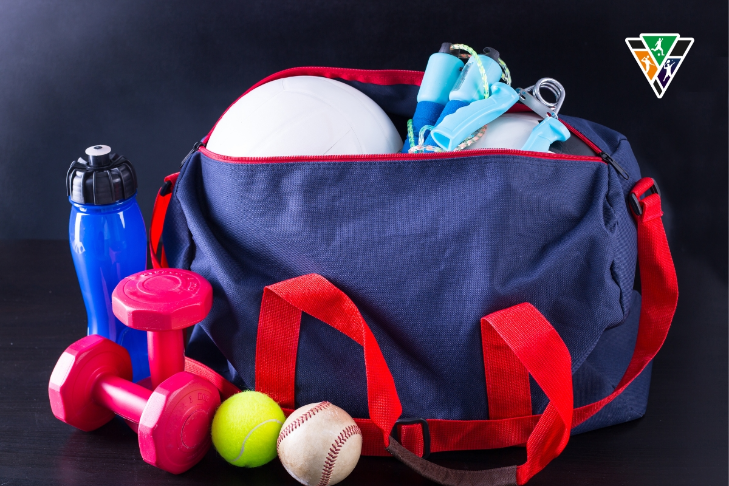
Starting at a sports academy is an exciting moment for any child. The first day brings a mix of curiosity, nervousness, and anticipation. Whether your child is stepping onto a football turf, picking up a cricket bat, lacing up skates, or dribbling a basketball for the first time, being prepared can make that first session smoother and more enjoyable.
One of the simplest ways parents can help children start confidently is by packing the right essentials for their first day at a sports academy. The right gear ensures comfort, safety, and focus — allowing kids to concentrate on learning and having fun rather than worrying about missing items.
This guide by Vidyanchal Sports Academy (VSA) walks parents through what to pack, why each item matters, and how to help children feel ready for their first training session.
Comfortable Sports Clothing
The first thing every child needs is comfortable athletic clothing that allows free movement. Unlike casual clothes, sportswear is designed to support flexibility, breathability, and comfort during physical activity.
Choose clothing that is:
- Lightweight and breathable
- Stretchable for movement
- Weather-appropriate
- Properly fitted
Loose clothing can sometimes interfere with movement or equipment, especially in sports like skating or Mallakhamb. Fitted athletic wear helps coaches observe posture and technique more clearly.
Children should feel comfortable and confident in their clothing — it’s a small detail that makes a big difference in their willingness to participate.
Proper Sports Shoes
Footwear is one of the most important items in a sports kit. Good shoes provide grip, support, and stability during training.
Depending on the sport, children may need:
- Running shoes for general training
- Turf shoes for football
- Court shoes for basketball
- Skating shoes or inline skates
Shoes should fit well and offer ankle support. Shoes that are too loose or worn out can affect balance and increase injury risk.
Parents should also ensure that children wear clean socks to prevent blisters during active sessions.
Water Bottle for Hydration
Hydration is essential for young athletes. Even moderate training sessions can lead to significant water loss through sweat.
Every child should bring a personal water bottle to training. Reusable bottles are preferred because they are environmentally friendly and easy to refill.
Encouraging children to drink water regularly during training helps prevent fatigue, dizziness, and dehydration.
Personal Sports Equipment (If Required)
Depending on the sport, children may need to bring specific equipment.
Examples include:
- A football
- A cricket bat or gloves
- Basketball
- Skating gear
- Protective pads or helmets
Many sports academies provide shared equipment for beginners, but bringing personal gear can help children feel more comfortable and responsible.
Parents should check with the academy beforehand to understand what equipment is necessary.
Towel or Sweat Cloth
Sports sessions involve a lot of movement, and children often sweat during practice. A small towel helps them stay comfortable and wipe off sweat during breaks.
A towel also promotes hygiene and prevents sweat from affecting grip when handling sports equipment.
Healthy Snack for Energy
Young athletes burn energy quickly during training. A light snack can help maintain stamina and prevent fatigue, especially if the training session is after school.
Healthy snack options include:
- Fruit
- Nuts
- Energy bars
- Sandwiches
Heavy or sugary foods are best avoided before training, as they can cause sluggishness or stomach discomfort.
Visit the VSA About page for more info.
Small First Aid Essentials
While academies maintain proper safety protocols, carrying a few basic items can be helpful.
These may include:
- Adhesive bandages
- Antiseptic wipes
- Personal medication if required
Parents should inform coaches about any allergies or medical conditions so that trainers are aware during sessions.
A Positive Attitude
Perhaps the most important thing to pack for the first day at a sports academy is confidence and curiosity.
Children may feel nervous initially — especially if they don’t know anyone yet or are trying a sport for the first time. Parents can help by reminding them that everyone in the group is learning together.
Encourage children to:
- Listen to their coaches
- Try their best
- Ask questions
- Enjoy the experience
The first session is rarely about performance. It’s about getting comfortable with the environment and discovering the joy of movement.
Label and Organize the Sports Bag
Packing everything neatly in a dedicated sports bag helps children learn responsibility. Labeling items like water bottles, towels, and equipment ensures nothing gets lost during training.
Parents can also involve children in the packing process. When kids pack their own sports bag, they feel more independent and invested in the activity.
Arrive Early and Stay Relaxed
Although not technically something to pack, arriving a few minutes early helps children settle in before the session begins. They can observe other players, stretch, and get comfortable with the surroundings.
A calm start helps reduce anxiety and allows coaches to guide new students more easily.
Want extra practice with friends outside training hours?
Final Thoughts
The first day at a sports academy is a memorable milestone for young athletes. Being prepared with the right essentials — comfortable clothing, proper footwear, hydration, and personal gear — helps children focus on learning and enjoying their sport.
Beyond equipment, the real goal of the first session is simple: to build confidence and curiosity. When children feel supported and prepared, they are far more likely to enjoy training and develop a lasting interest in sports.
With the right preparation, the first day becomes not just another activity, but the beginning of a journey filled with movement, discipline, teamwork, and fun.