



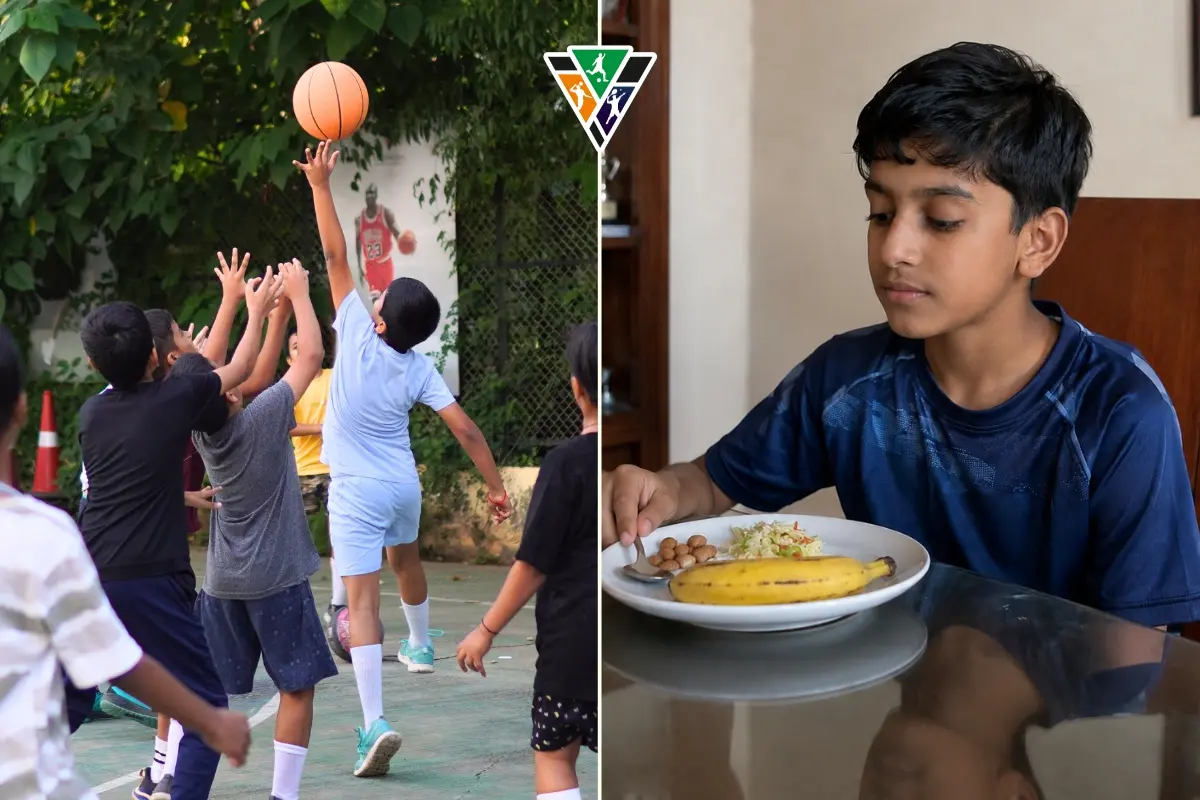
Beginner’s guide to sports nutrition for young athletes in Pune is one of the most valuable resources parents can have when their child begins playing sports regularly. Whether it’s football, cricket, basketball, skating, or Mallakhamb, good nutrition is just as important as quality coaching and consistent practice.
At Vidyanchal Sports Academy, young athletes are encouraged to understand that performance starts long before stepping onto the field. The food children eat influences their energy, concentration, recovery, growth, and overall enjoyment of sport.
Contrary to popular belief, sports nutrition for children isn’t about supplements or complicated diets. It is about providing growing bodies with the right balance of nutrients at the right time.
This beginner’s guide explains the essentials every parent should know.
What Is Sports Nutrition?
Sports nutrition is the practice of eating and drinking in a way that supports:
- Growth and development
- Physical activity
- Recovery after training
- Long-term health
Unlike adults, children are growing while they train. Their nutrition must support both development and athletic activity, making balance far more important than restrictive eating plans.
At Vidyanchal Sports Academy, nutrition is viewed as one of the pillars of long-term athletic development alongside coaching, recovery, and regular practice.
Young Athletes Need Energy, Not Dieting
One of the biggest misconceptions is that active children should “eat less” to stay fit.
In reality, young athletes require enough energy to:
- Train effectively
- Recover properly
- Support healthy growth
- Maintain concentration at school
Restricting food intake can reduce performance, delay recovery, and negatively affect development.
The focus should always be on quality of food, not simply eating less.
The Three Nutrients Every Young Athlete Needs
Carbohydrates: The Body’s Main Fuel
Carbohydrates provide energy for:
- Football training
- Cricket matches
- Basketball sessions
- Skating practice
- Mallakhamb workouts
Healthy carbohydrate sources include:
- Rice
- Chapati
- Oats
- Fruits
- Potatoes
- Whole grains
Children should not fear carbohydrates—they are essential for active lifestyles. Research recommends carbohydrates remain the largest component of a young athlete’s diet.
Protein: Building and Repairing Muscles
Protein helps:
- Repair muscles after training
- Support growth
- Strengthen bones and tissues
Good protein sources include:
- Milk
- Curd
- Eggs
- Paneer
- Dal
- Chicken
- Fish
- Soy products
Rather than consuming large amounts at once, children benefit from including protein in each meal.
Healthy Fats: Essential for Growing Bodies
Healthy fats support:
- Brain development
- Hormone production
- Long-lasting energy
Good sources include:
- Nuts
- Seeds
- Peanut butter
- Avocados
- Healthy cooking oils
Young athletes should avoid excessive processed and fried foods but should never eliminate healthy fats from their diets.
Fuel Every Training Session
Hydration Is Often the Missing Piece
Parents usually think about food but forget hydration.
Even mild dehydration can reduce:
- Concentration
- Coordination
- Endurance
- Decision-making
Children should:
- Drink water throughout the day
- Hydrate before training
- Take water breaks during sessions
- Rehydrate after practice
For most activities lasting under an hour, plain water is sufficient. Sports drinks are generally unnecessary unless training is prolonged or conditions are exceptionally hot.
What Should Kids Eat Before Practice?
A pre-training meal should provide steady energy without feeling heavy.
Good options include:
- Banana with peanut butter
- Idli with chutney
- Poha
- Oats with milk
- Whole wheat sandwich
- Fruit with yogurt
Ideally:
- Main meals should be eaten 2–3 hours before activity
- Light snacks can be eaten about an hour before training
Avoid:
- Heavy fried foods
- Sugary desserts
- Large fast-food meals immediately before sports
What Should Kids Eat After Training?
Recovery begins soon after exercise.
Post-training meals should include:
- Carbohydrates to replace energy
- Protein to support muscle recovery
Examples:
- Milk and banana
- Paneer sandwich
- Dal and rice
- Egg with whole wheat toast
- Yogurt with fruit
Experts recommend consuming recovery foods within about 30 minutes to 2 hours after exercise to support muscle recovery and replenish energy stores.
Nutrition for Busy School Days
Children in Pune often move directly from school to sports practice.
Packing healthy snacks can help maintain energy:
- Fruit
- Dry fruits
- Roasted chana
- Homemade sandwiches
- Yogurt
- Cheese cubes
These options are practical, nutritious, and easy to carry.
Do Young Athletes Need Supplements?
For most healthy children, no.
A balanced diet usually provides all the nutrients required for:
- Growth
- Recovery
- Daily sports participation
Protein powders, energy drinks, and supplements should only be used if recommended by a qualified healthcare professional.
Whole foods remain the best source of nutrition for developing athletes.
Sleep Is Part of Sports Nutrition
Nutrition doesn’t end with food.
Recovery depends on:
- Sleep
- Hydration
- Balanced meals
Growing athletes who consistently sleep well recover more effectively and perform better during training.
At Vidyanchal Sports Academy, coaches encourage healthy daily habits rather than focusing only on performance during practice.
Common Nutrition Mistakes Parents Should Avoid
Some frequent mistakes include:
- Skipping breakfast
- Sending children to training without a snack
- Overusing packaged sports drinks
- Rewarding every match with junk food
- Restricting carbohydrates unnecessarily
Simple, balanced meals usually outperform expensive “sports foods.”
Watch Young Athletes Put Healthy Habits Into Action
See tournaments, camps, and sporting events that celebrate active lifestyles at VSA.
Sports Nutrition for Different Activities
Every sport places slightly different demands on the body.
Football requires:
- Endurance
- Sustained energy
Cricket requires:
- Long-lasting concentration
- Hydration
Basketball requires:
- Quick bursts of energy
- Recovery between games
Skating develops:
- Balance
- Muscular endurance
Mallakhamb requires:
- Strength
- Flexibility
- Core stability
Despite these differences, all young athletes benefit from balanced nutrition built around whole foods.
Building Healthy Habits That Last
The goal isn’t simply helping children perform better this season.
Good nutrition helps create lifelong habits that support:
- Healthy growth
- Active living
- Better academic focus
- Long-term well-being
At Vidyanchal Sports Academy, nutrition is introduced as part of a complete approach to athlete development, alongside coaching, recovery, and physical literacy.
Ready to Build Stronger Athletes?
Final Thoughts
Following a beginner’s guide to sports nutrition for young athletes in Pune doesn’t require complicated meal plans or expensive supplements.
Children perform best when they consistently receive:
- Balanced meals
- Adequate carbohydrates
- Quality protein
- Healthy fats
- Proper hydration
- Good recovery
Combined with structured coaching and regular physical activity, these habits help children become healthier athletes and happier learners.
At Vidyanchal Sports Academy, sports nutrition is seen as an extension of training itself—because every sprint, pass, bowl, jump, or glide begins with giving the body the fuel it needs to perform.
FAQs
1. What should a young athlete eat before sports practice?
A light meal or snack with carbohydrates and some protein, such as fruit, poha, or yogurt.
2. Do children playing sports need protein supplements?
No. Most young athletes get enough protein from a balanced diet.
3. Is water enough during sports practice?
For most sessions under an hour, yes. Water is usually sufficient for hydration.
4. When should children eat after training?
Ideally within 30 minutes to 2 hours after exercise to support recovery.
5. Why is sports nutrition important for young athletes?
It supports energy, growth, recovery, performance, and overall health.