



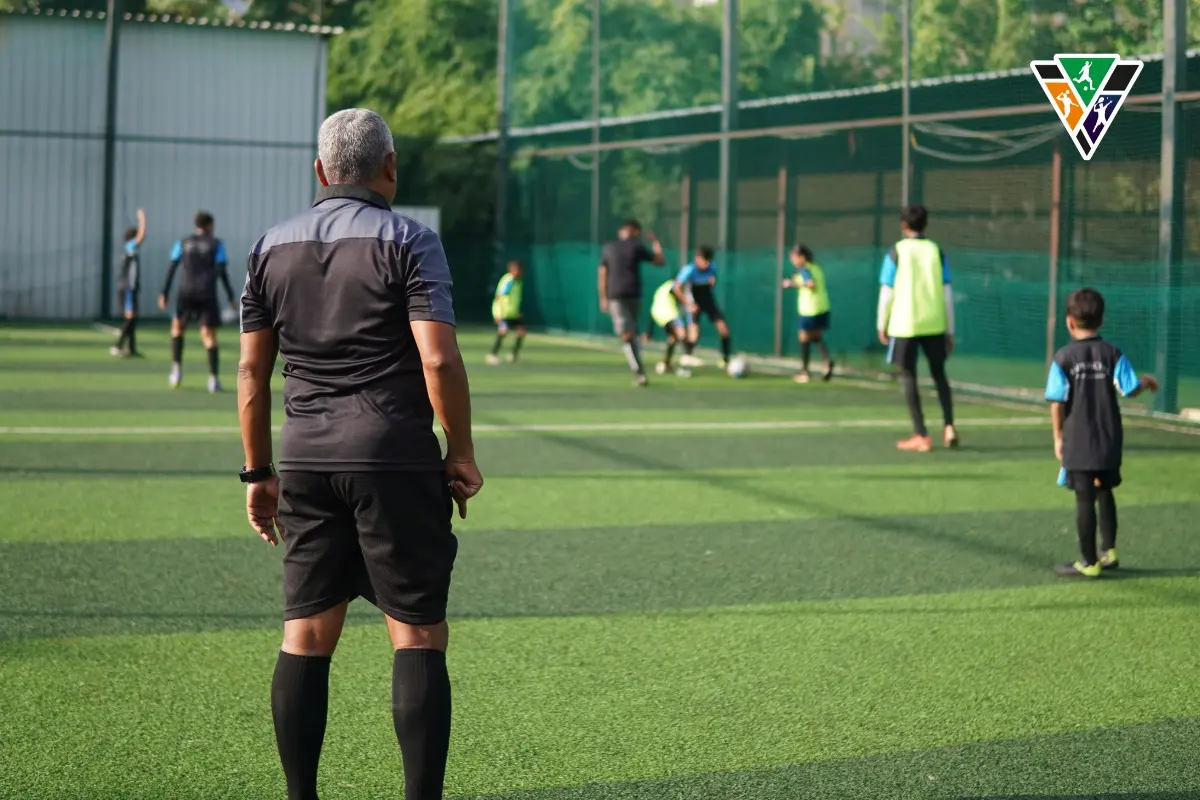
How many days a week should kids train in sport? It’s one of the most common questions parents ask after enrolling their child in a sports academy. Some worry their child isn’t training enough, while others fear they may be overdoing it. The truth is that there isn’t one answer that fits every child. The ideal training schedule depends on age, physical development, school commitments, recovery, and the type of sport.
At Vidyanchal Sports Academy, training programs are designed around long-term athlete development rather than simply increasing the number of practice sessions. The objective is to help children improve steadily while ensuring they continue to enjoy sports, recover well, and maintain a healthy balance with academics and family life.
This age-wise guide explains how often children should train, why recovery matters just as much as practice, and how parents can build a sustainable sporting routine.
Why More Training Isn’t Always Better
One of the biggest myths in youth sports is that more practice automatically leads to better performance.
In reality, young athletes improve when they combine:
- Quality coaching
- Consistent practice
- Adequate recovery
- Proper nutrition
- Good sleep
Training every day without sufficient rest can increase the risk of:
- Overuse injuries
- Mental fatigue
- Reduced motivation
- Burnout
- Declining performance
The American Academy of Pediatrics recommends balancing organized sports with adequate rest and recovery to support healthy development in children and adolescents. Children should also have at least one to two days off from organized sports each week. (Sources listed below.)
At Vidyanchal Sports Academy, recovery is considered part of the training process, not a break from it.
Ages 4–6: Build a Love for Movement
At this stage, children are developing fundamental movement skills rather than sport-specific performance.
Recommended training:
2 sessions per week
Focus areas:
- Running
- Jumping
- Balance
- Coordination
- Fun games
- Basic ball skills
Sessions should remain playful and engaging rather than competitive.
Children at this age benefit more from enjoying movement than mastering techniques.
Ages 7–9: Developing Basic Sporting Skills
This is often the ideal stage to introduce structured coaching.
Recommended training:
2–3 sessions per week
Children begin learning:
- Sport-specific techniques
- Teamwork
- Listening skills
- Basic tactical understanding
Whether they choose football, cricket, basketball, skating, or Mallakhamb, consistent weekly sessions help build confidence without overwhelming them.
At Vidyanchal Sports Academy, coaches gradually increase training complexity while keeping sessions enjoyable.
Start with Structured Coaching That Fits Your Child
Enroll at Vidyanchal Sports Academy and build healthy sporting habits from an early age.
Ages 10–12: Building Consistency
As coordination and concentration improve, children can comfortably handle more structured practice.
Recommended training:
3–4 sessions per week
Training now includes:
- Technical refinement
- Match situations
- Fitness development
- Tactical awareness
This age is often when children begin participating in local competitions and inter-school events.
However, they still require adequate recovery between sessions.
Ages 13–16: Preparing for Competitive Sport
Teenagers interested in competitive sports can gradually increase training frequency.
Recommended training:
4–5 sessions per week
Training may include:
- Sport-specific conditioning
- Match preparation
- Technical analysis
- Recovery sessions
- Strength and mobility exercises
The increase in training should always be gradual and monitored by qualified coaches.
At Vidyanchal Sports Academy, training intensity is adjusted according to the athlete’s age, experience, and competition schedule.
Does the Sport Matter?
Different sports place different physical demands on children.
Football
Requires:
- Endurance
- Speed
- Agility
Usually benefits from 3–4 weekly sessions for developing players.
Cricket
Requires:
- Technique
- Coordination
- Match awareness
Generally develops well through 2–4 sessions per week.
Basketball
Requires:
- Continuous movement
- Reflexes
- Ball handling
Children often benefit from 3 sessions weekly.
Skating
Develops:
- Balance
- Lower-body strength
- Coordination
Regular 2–3 sessions help beginners build confidence.
Mallakhamb
Focuses on:
- Strength
- Flexibility
- Body control
Young beginners usually progress well with 2–3 supervised sessions each week.
Explore the Facilities Where Young Athletes Train
Discover the grounds, courts, skating areas, and practice spaces at Vidyanchal Sports Academy.
Why Rest Days Are Essential
Rest is not time lost.
During recovery, the body:
- Repairs muscles
- Restores energy
- Adapts to training
- Reduces injury risk
Children should ideally have at least one full day each week without organized sports.
Rest days can still include:
- Light outdoor play
- Walking
- Cycling
- Family activities
This helps maintain movement without adding training stress.
Balancing Sports with School
Many parents worry that increasing sports participation may affect academics.
Research suggests the opposite when training is well managed.
Children involved in regular physical activity often demonstrate:
- Better concentration
- Improved time management
- Higher confidence
- Reduced stress
The key is choosing a schedule that complements school rather than competing with it.
At Vidyanchal Sports Academy, training batches are planned around school timings to support this balance.
Signs Your Child Is Training the Right Amount
Positive signs include:
- Excitement before training
- Good energy levels
- Steady improvement
- Healthy sleep patterns
- Quick recovery after sessions
These indicate that the training load is appropriate.
Signs They May Be Training Too Much
Parents should watch for:
- Constant tiredness
- Frequent minor injuries
- Poor appetite
- Loss of enthusiasm
- Difficulty concentrating
- Mood changes
If these signs appear consistently, reducing training temporarily may be beneficial.
Watch Learning Turn Into Performance
Explore tournaments, camps, and events where VSA athletes put their training into action.
Multi-Sport Training Reduces Burnout
Sports scientists increasingly recommend that younger children participate in more than one sport.
Benefits include:
- Better overall athletic development
- Reduced repetitive stress
- Improved coordination
- Greater enjoyment
- Lower burnout risk
At Vidyanchal Sports Academy, children have opportunities to experience football, cricket, basketball, skating, and Mallakhamb within a structured sporting environment.
Every Child Is Different
No two children develop at exactly the same pace.
Some may comfortably train four times a week.
Others may need additional recovery.
The best schedule depends on:
- Age
- Growth stage
- Interest
- School workload
- Physical readiness
Parents should focus on consistency rather than comparing their child’s schedule with others.
Give Your Child More Time to Play and Improve
Book a turf or sports facility for extra practice, friendly matches, or family sports sessions.
Final Thoughts
When asking “How many days a week should kids train in sport?”, the answer is not about maximizing hours—it’s about finding the right balance.
A well-planned schedule includes:
- Age-appropriate coaching
- Quality practice
- Recovery
- Good nutrition
- Plenty of enjoyment
At Vidyanchal Sports Academy, training programs are built around sustainable athlete development, helping children become stronger, more skilled, and more confident without sacrificing their love for the game.
Because successful athletes aren’t built by training the most.
They’re built by training consistently, intelligently, and with joy.
FAQs
1. How many days a week should a 5-year-old play sports?
Around 2 structured sessions per week are ideal, along with regular free play.
2. Is it okay for kids to train every day?
Generally, no. Children should have at least one or two rest days each week.
3. How many sports can a child play at the same time?
Many experts recommend trying multiple sports during childhood to build overall athletic skills.
4. How do I know if my child is overtraining?
Look for persistent tiredness, recurring injuries, low motivation, or declining performance.
5. Is sports training good for academic performance?
Yes. Regular physical activity can improve focus, discipline, and time management when balanced with school.