



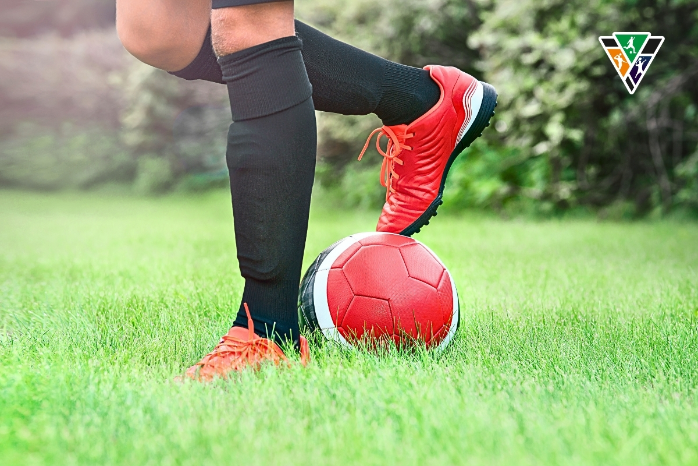
Football boots are one of the most important pieces of equipment for young players. The right pair of studs improves grip, balance, acceleration, and injury prevention. The wrong pair can lead to slipping, ankle strain, or poor ball control.
For parents and beginners especially, choosing football studs can be confusing. Terms like FG, AG, TF, and MG appear on boots, and each refers to a specific playing surface.
This guide explains how to choose the right football studs for turf and grass, what the different stud types mean, and which brands are widely trusted by players around the world.
Why the Right Football Studs Matter
Football involves quick turns, sudden stops, and explosive sprints. Studs help players maintain traction while moving across different surfaces.
Using the wrong studs can cause problems such as:
- Reduced grip on turf or grass
- Increased risk of slipping
- Excess pressure on knees and ankles
- Faster wear of the boots
Young athletes especially benefit from footwear designed for the surface they train on regularly.
At academies like Vidyanchal Sports Academy, where players train on turf and open grounds, choosing the correct studs helps maintain stability and confidence during practice.
Understanding the Different Types of Football Studs
Football boots are categorized based on the playing surface they are designed for.
Firm Ground (FG) Studs
Firm ground boots are designed for natural grass fields that are dry or slightly moist.
These boots typically have longer molded studs, allowing the player to dig into natural grass for traction.
Key features:
- Conical or blade-shaped studs
- Good penetration into grass surfaces
- Ideal for outdoor grass pitches
Many professional matches use firm ground boots because natural grass remains the most common surface in global football.
Popular FG boots are produced by brands such as Nike, Adidas, and Puma.
Artificial Grass (AG) Studs
Artificial grass boots are designed for synthetic turf fields, which are common in modern urban sports facilities.
Unlike FG boots, AG boots have shorter, more numerous studs to distribute pressure evenly across the surface.
Benefits of AG boots:
- Reduced stress on knees and ankles
- Better grip on artificial surfaces
- Longer durability on turf
Training facilities and football academies increasingly use artificial turf because it requires less maintenance than natural grass.
For young players training on turf regularly, AG boots are often the safest choice.
Step onto the fields and see where young athletes sharpen their skills. Visit the VSA Facilities.
Turf Shoes (TF)
Turf shoes are slightly different from traditional studs. Instead of long studs, they have small rubber patterns across the sole.
These shoes are designed for:
- Artificial turf
- Hard training surfaces
- Short practice sessions
TF shoes provide stability but less penetration into the ground compared to AG or FG boots.
They are commonly used for beginner training or recreational play.
Brands such as Decathlon (through its Kipsta football line) produce affordable turf shoes suitable for young players.
Multi-Ground (MG) Boots
Some modern football boots are designed for multiple surfaces, including both artificial grass and firm natural ground.
MG boots combine:
- Moderate stud length
- Mixed stud shapes
- Balanced traction
These are useful for players who train on both turf and grass fields.
However, they may not provide the same specialized grip as surface-specific boots.
How to Choose the Right Studs for Your Child
When selecting football boots, parents should consider three main factors:
Playing Surface
Ask where the child trains most often.
- Natural grass field: Firm Ground (FG) boots
- Artificial turf: Artificial Grass (AG) boots or Turf shoes
- Mixed surfaces: Multi-Ground (MG) boots
Many urban training academies use turf fields, making AG or TF boots the most practical option.
Comfort and Fit
Football boots should fit snugly but not tightly.
Look for:
- Slight space at the toe
- Secure heel grip
- Comfortable ankle support
Boots that are too large can reduce ball control, while tight boots may cause blisters or discomfort.
Young players should always try boots with the same socks they will wear during training.
Material and Durability
Modern boots come in different materials:
- Synthetic uppers: Lightweight and durable
- Leather uppers: Softer touch and better comfort
- Hybrid materials: Combination of flexibility and durability
For beginners and growing children, synthetic boots are often the most practical because they are lightweight and easier to maintain.
Meet the people and philosophy shaping young athletes.
Explore the VSA About page.
Stud Shapes and Their Impact
The shape of studs also affects performance.
Conical studs:
Allow easier rotation and reduce knee stress.
Blade studs:
Provide stronger traction during acceleration and quick direction changes.
Most youth football boots combine both shapes to balance grip and safety.
Common Mistakes Parents Should Avoid
When buying football boots for children, some common mistakes include:
- Buying boots too large “to grow into”
- Using FG boots on artificial turf
- Choosing style over fit
- Ignoring ankle comfort
A well-fitting boot that matches the training surface is far more important than appearance.
Watch the Game Come Alive
From training drills to match-day excitement. View upcoming VSA Events.
Caring for Football Boots
Good maintenance helps boots last longer and perform better.
Basic care tips include:
- Cleaning mud or turf particles after use
- Air-drying boots instead of placing them in direct heat
- Checking stud wear regularly
- Storing boots in breathable bags
Proper care keeps the studs effective and prevents premature damage.
Bring your team and play your game. Rent a turf at VSA.
Final Thoughts
Choosing the right football studs is a simple but important step in supporting a young player’s development. Boots designed for the correct surface improve stability, comfort, and performance while reducing injury risk.
Whether playing on natural grass fields or modern turf grounds, understanding the difference between FG, AG, TF, and MG boots helps parents make better decisions.
At Vidyanchal Sports Academy, young athletes train on surfaces that encourage safe and consistent skill development. With the right footwear and supportive coaching, players can focus on what matters most — improving their game, enjoying the sport, and building confidence on the field.