



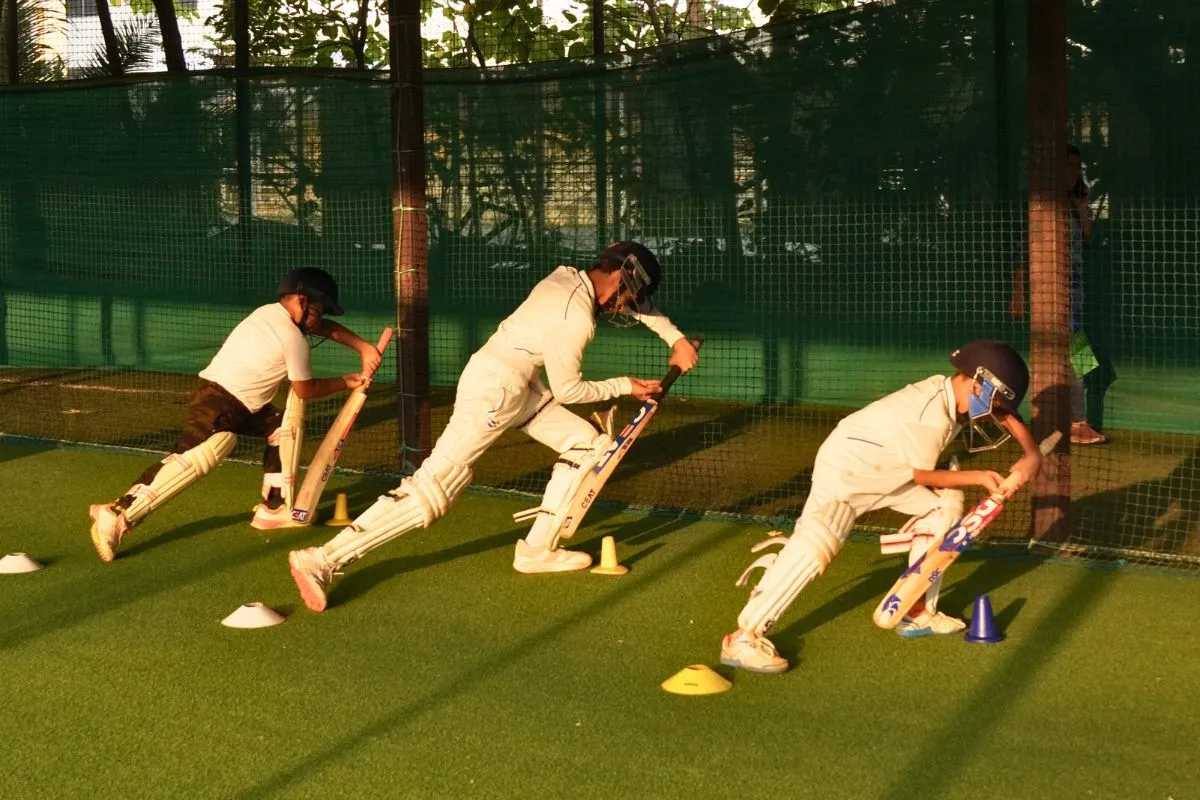
Over the past decade, Baner has transformed from a quiet residential suburb into one of Pune’s most active youth sports corridors. What was once known primarily for its housing complexes and schools is now increasingly recognized for something else: structured sports training for children and teenagers.
Parents searching for football coaching, cricket nets, skating classes, or multi-sport academies are now frequently looking toward Baner. The area’s infrastructure, accessibility, and growing community of young families have turned it into a natural base for youth sports development in Pune.
But this shift didn’t happen overnight. To understand why Baner is becoming a sports hub for young athletes, it helps to look at how the area evolved — and why its growth aligns so closely with modern sports culture for children.
The Early Years: Baner Before the Sports Boom
Two decades ago, Baner was largely a developing extension of Pune city. While it had open land and some playgrounds, organized sports training was limited. Most structured coaching programs were concentrated in older parts of Pune like Deccan, Shivajinagar, or school campuses with established grounds.
Children in Baner often relied on:
- Society play areas
- Informal street games
- School sports periods
- Occasional weekend coaching
As residential development accelerated in the 2000s, Baner began attracting young working families. With this demographic came a growing demand for structured extracurricular activities, especially sports.
Parents wanted more than casual play. They were looking for:
- Certified coaching
- Safe facilities
- Multi-sport exposure
- Convenient locations close to home
This demand laid the foundation for Baner’s sports transformation.
Infrastructure Growth and Access to Space
One of Baner’s biggest advantages has always been space. Compared to denser parts of Pune, Baner had more land available for development during its growth phase. As the suburb expanded, developers incorporated playgrounds, turfs, and community grounds into residential planning.
This allowed:
- Turf grounds for football
- Cricket nets and practice pitches
- Basketball courts
- Skating zones
- Fitness and conditioning spaces
Unlike older city areas where land constraints limited sports infrastructure, Baner could grow with purpose-built training environments.
As new roads and connectivity improved access to Aundh, Wakad, and Hinjewadi, Baner became an easy commute for families across west Pune — making it an ideal central location for sports academies.
The Rise of Multi-Sport Academies
Another key reason Baner is emerging as a sports hub is the growth of multi-sport academies. Instead of focusing on just one sport, modern academies offer structured training in multiple disciplines, allowing children to explore before specializing.
This aligns with global sports science recommendations. Research from the American Academy of Pediatrics and international youth development models suggests that multi-sport exposure between ages 5 and 12 leads to better coordination, reduced injury risk, and longer athletic participation.
In Baner, academies have responded by offering programs in:
- Football
- Cricket
- Basketball
- Skating
- Strength and conditioning
- Traditional sports like Mallakhamb
This variety allows children to develop a broad athletic foundation before choosing a specific path.
Why Families Are Choosing Baner for Sports Training
Baner’s rise as a sports hub is closely tied to its family demographics. The area has seen a significant increase in young parents working in nearby tech corridors like Hinjewadi and Baner Road. These families prioritize structured physical activity for their children as part of overall development.
Parents today are looking for sports environments that:
- Emphasize safety
- Provide certified coaching
- Offer flexible schedules
- Focus on discipline and confidence building
- Are located within short travel distance
Baner meets all of these criteria. With schools, housing societies, and sports facilities clustered together, children can attend training without long commutes — making consistent participation easier.
Organized Coaching vs Informal Play
While informal play remains valuable, many parents now recognize the benefits of structured coaching from an early age. Organized training introduces children to:
- Warm-up and injury prevention
- Skill progression
- Teamwork and communication
- Fitness routines
- Match awareness
In Baner, the availability of certified coaches and dedicated sports spaces has made structured training more accessible than ever.
Young athletes now train on:
- All-weather turf fields
- Well-maintained cricket nets
- Marked basketball courts
- Cushioned skating tracks
- Safe indoor training zones
This consistency supports steady improvement and confidence.
The Role of Community and Competition
As more children in Baner participate in sports, a local ecosystem has formed. Friendly matches, inter-academy games, and school tournaments are now common. This creates opportunities for young athletes to:
- Experience match conditions
- Learn sportsmanship
- Develop resilience
- Build social connections
Regular competition — even at a friendly level — motivates children to stay committed to training. It also helps them understand teamwork and responsibility.
Community support plays a big role here. Parents attend sessions, interact with coaches, and form networks with other families. This sense of shared involvement strengthens the sports culture in the area.
Influence of Modern Parenting and Awareness
Another factor behind Baner’s sports growth is changing parental awareness. Many parents now view sports not just as recreation but as a critical part of a child’s development.
Sports are linked to:
- Better physical health
- Improved focus and academic performance
- Emotional regulation
- Social skills
- Confidence and discipline
As awareness grows, families actively seek environments where children can train regularly and safely. Baner’s structured academies and accessible facilities make it a natural choice.
Support for Multiple Age Groups
Baner’s sports ecosystem supports children across different age groups:
- Early childhood (4–7 years): movement and coordination
- Middle years (8–12 years): skill development and teamwork
- Teen years (13–16 years): fitness, specialization, and competition
This progression allows children to stay within the same training environment for years, building continuity and trust.
The Role of Vidyanchal Sports Academy
One of the contributors to Baner’s reputation as a sports hub is the presence of structured academies like Vidyanchal Sports Academy (VSA). Founded by former national-level athletes, VSA focuses on grassroots training across football, cricket, basketball, skating, and Mallakhamb.
The academy provides:
- Certified coaching staff
- Age-appropriate training modules
- Safe, well-maintained infrastructure
- Small coach-to-student ratios
- Emphasis on discipline and confidence
Such facilities help establish Baner as a destination where children can train consistently without traveling across the city.
Looking Ahead: The Future of Sports in Baner
As Pune continues to expand, Baner’s role in youth sports is likely to grow further. More families are moving into the area, schools are integrating sports into daily routines, and training facilities continue to improve.
Future developments may include:
- Larger community tournaments
- Expanded multi-sport facilities
- Sports science and conditioning programs
- Greater participation in district and state competitions
Baner’s location, infrastructure, and community involvement make it well-positioned to remain a central hub for young athletes in Pune.
Conclusion
Baner’s transformation into a sports hub for young athletes is the result of several factors coming together: growing residential communities, available infrastructure, increased parental awareness, and the rise of structured training academies.
For families in Pune, the area now offers a rare combination of accessibility, safety, and quality coaching. Children can train close to home, develop physical and mental strength, and grow within a supportive sports culture.
As more young athletes take to the turf, courts, and tracks of Baner, the suburb continues to build a reputation not just as a residential destination — but as a place where future players begin their journey.